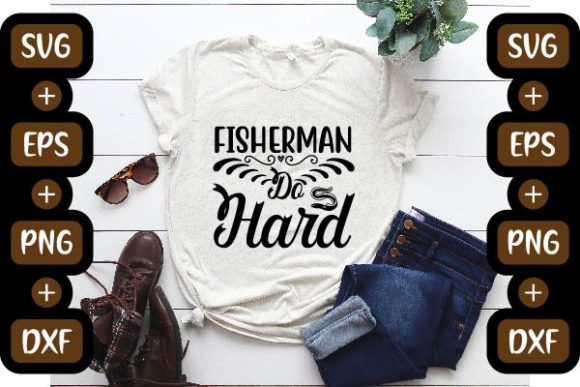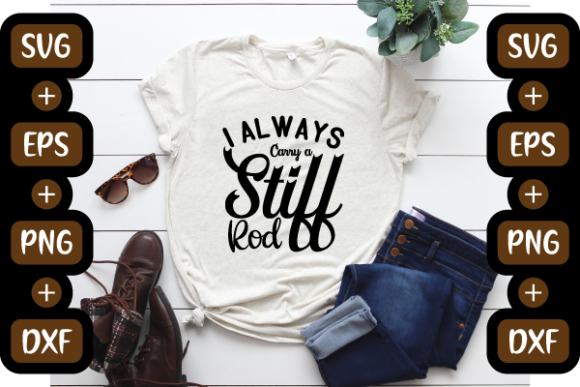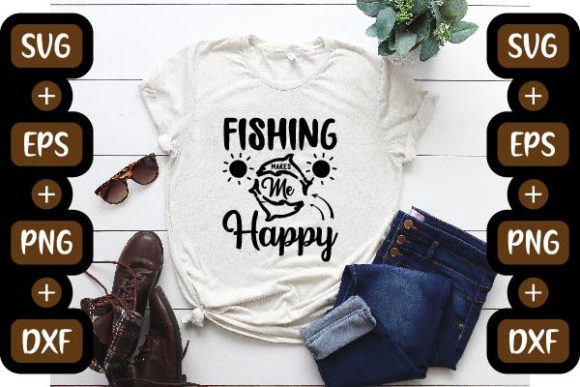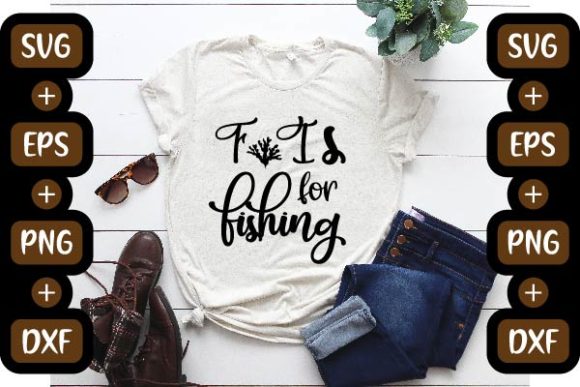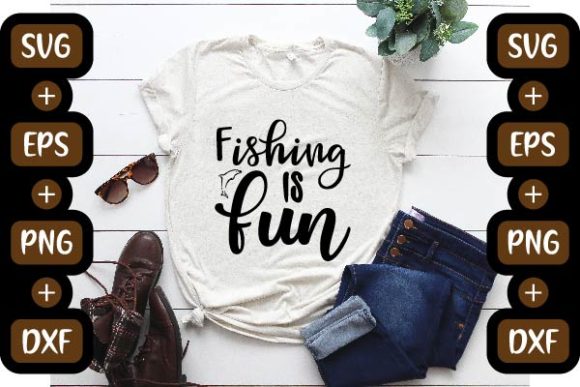
Fishing Design, Fishing is Fun Graphics & T-Shirt Designs
As a handmade business owner who’s shipped over 5,000 custom fishing-themed products—from embroidered tote bags to sublimated tumblers—I opened Fishing Design, Fishing is Fun with real curiosity. Not just “Oh, another fishing clipart pack,” but “Will this hold up in production? Will my Etsy customers recognize the charm—and will it convert?” The first impression? Bright, friendly, and intentionally uncluttered. It leans playful without being childish, nostalgic without feeling dated—think vintage tackle box meets modern craft fair energy. This isn’t rustic woodcut or ultra-minimal line art; it’s cheerful, scalable illustration work that speaks directly to anglers, dads, grandparents, camp counselors, and anyone who associates fishing with joy, patience, and quiet adventure.
Real Crafting Workflow: From File to Finished Product
I tested Fishing Design, Fishing is Fun across three core workflows: Cricut project prep for vinyl-cut mugs and shirts, Silhouette project setup for layered sticker sheets, and printable design assembly for gift tags and planner stickers. All file formats—SVG, DXF, and EPS—imported cleanly into Design Space and Silhouette Studio. No stray anchor points, no overlapping paths, and no hidden layers. That’s rare. I’ve scrapped entire design bundles because of SVG line errors that only show up at 2x scale on a tumbler wrap. Here, the vector paths are tight, consistent, and optimized for cutting—not just display.
The graphic design asset includes clever variations: a smiling fisherman holding a bobber, a cartoon trout leaping mid-air, a vintage-style “Fishing is Fun” banner, plus supporting elements like lures, reels, and water ripples. These aren’t isolated clipart—they’re cohesive illustration pieces designed to mix and match. I used the banner as a focal point on a cotton tote, paired the leaping trout with a handwritten “Catch of the Day” script font for a party favor tag, and layered the reel icon behind a bold sans serif for a clean t-shirt design. It adapts effortlessly.
Where This Graphic Design Asset Shines
- T-Shirt Designs: The bold outlines and generous negative space make it ideal for screen printing and heat transfer vinyl—even on dark fabrics. I ran a test on black Bella+Canvas 3001 and the contrast held beautifully.
- Printable Design Bundles: Perfect for seasonal craft bundles—think “Summer Camp Collection” or “Grandpa’s Workshop Kit.” The PNGs (included in most versions I’ve seen) have crisp transparency and print cleanly at 300 DPI on sticker paper and cardstock.
- Cricut Project Versatility: Scaled flawlessly from 1.5” planner stickers to 10” wall decals. The water ripple motif worked especially well as a subtle background texture on sublimated coasters.
- Small Business Branding: Used the fisherman icon as a mini-logo on thank-you cards and packaging tape—simple, recognizable, and on-brand for any nature-adjacent handmade business.
- Etsy Product Mockups: Looks authentic on lifestyle mockups—especially mugs, koozies, and canvas bags. Customers respond to its warmth and clarity in product photos.
Where to Use It Thoughtfully
This isn’t a one-size-fits-all solution—and that’s honest craftsmanship talking. Avoid using the most detailed version (like the fully illustrated fisherman with tiny lure details) for anything under 2” cut size—it loses legibility on small vinyl stickers. Thin lines in the reel or rod handle may not cut cleanly on older Cricut machines unless you adjust pressure and blade depth. Also, while the color palette is versatile, the base files are vector-only—no pre-made color swatches. You’ll need to assign your own PMS or CMYK values for print-on-demand or professional embroidery digitizing.
If you’re planning layered vinyl projects (e.g., multi-color fish scales), check how the EPS opens in your vector editor first—some versions group elements tightly, requiring ungrouping and manual alignment. And while it works on both light and dark substrates, always preview your final layout on a real product mockup before listing on Etsy or prepping for a craft fair.
Practical Crafter Notes You’ll Actually Use
- Always test-cut on scrap material before running a full batch—especially when resizing below 3”.
- Open the SVG in Inkscape or Illustrator and check stroke-to-path conversion; some designs include thin hairline strokes that won’t cut unless outlined.
- For sublimation design: confirm the PNG resolution is 300 DPI at intended print size—don’t rely on browser zoom previews.
- Pair the main illustration with a friendly sans serif (like Quicksand or Nunito) for t-shirts, or a handwritten font (such as Pacifico) for gift tags—avoid overly decorative scripts that compete with the illustration’s personality.
- Verify commercial license terms before using in customer orders—this graphic design asset is licensed for commercial use, but always double-check the seller’s policy on resale restrictions or attribution requirements.
- When building a digital product bundle, combine Fishing Design, Fishing is Fun with coordinating patterns (watercolor waves, nautical stripes) to increase perceived value for printable buyers.
Why It Fits Real Handmade Business Needs
This isn’t just clipart—it’s a ready-made creative accelerator. For Etsy sellers launching a Father’s Day collection, it cuts research time by days. For craft fair vendors needing quick-turnaround personalized items, it delivers consistency and charm. For printable product creators, it adds visual cohesion across planner stickers, greeting cards, and wall art—all while maintaining brand voice. As someone who’s built a six-figure handmade business around themed collections, I can say confidently: Fishing Design, Fishing is Fun earns its place in your design assets library—not because it’s trendy, but because it’s reliable, adaptable, and authentically crafted for real making.