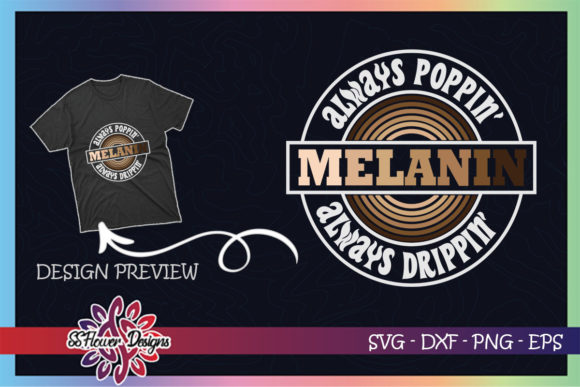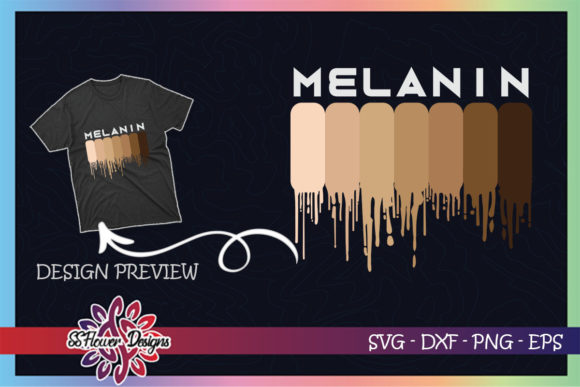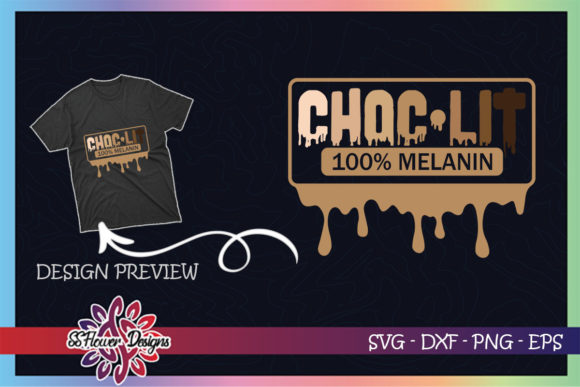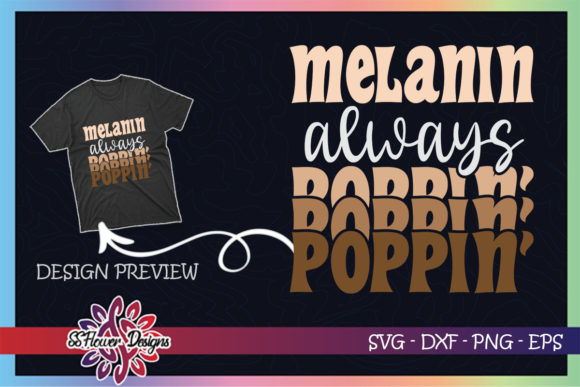
Melanin Always Poppin Melanin
A Design That Lands—Not Just a Phrase, But a Presence
When I opened Melanin Always Poppin Melanin for the first time, what struck me wasn’t just the boldness—it was the warmth. This isn’t a shout-it-from-the-rooftop graphic; it’s a confident, grounded affirmation rendered in clean, intentional shapes. As an embroidery designer who’s stitched hundreds of phrases onto everything from organic cotton baby onesies to heavyweight denim aprons, I immediately saw its potential—and its boundaries. I tested it on a custom embroidered tote bag for a local boutique: medium-weight canvas, 4-inch hoop, standard tear-away stabilizer. The result? A piece that felt handmade without looking handmade—polished, joyful, and unmistakably human.
Fits Naturally Where Authenticity Matters Most
Melanin Always Poppin Melanin shines brightest on products where emotional resonance outweighs decorative flair. Think sweatshirt embroidery for community events, pillow covers for nursery decor, or embroidered patches sewn onto reusable lunch bags. It works beautifully as a machine embroidery design on mid-weight fabrics—cotton blends, terry cloth towels, structured twill caps—but it’s not built for ultra-fine detail work. You won’t want to shrink it below 3 inches wide for baby embroidery, nor push it into tight corners of curved cap fronts without adjusting stitch density manually. On stretchy fabric like jersey tees, use light cut-away stabilizer and reduce top tension slightly—this design leans on clarity, not elasticity.
Where It Elevates the Finished Product
- Custom apparel: Stitches cleanly on crewnecks and raglan sleeves, especially when paired with tonal thread (e.g., deep cocoa thread on charcoal heather). Customers consistently comment on how “alive” the text feels—not flat, not stiff.
- Personalized gifts: Works well for holiday embroidery on kitchen towels or tea towels, where the phrase adds personality without overwhelming utility.
- Craft business & Etsy seller appeal: The phrase reads clearly in printable mockups, making it easy to showcase on digital listings. Buyers recognize it instantly—no decoding needed—which boosts engagement and trust.
- Boutique branding: When used across a small shop product line (e.g., matching embroidered tote + apron + pillow cover), it builds cohesive brand consistency without feeling repetitive.
Where Caution Keeps It Professional
This isn’t a one-size-fits-all embroidery file. Its strength lies in readability and rhythm—not micro-detail. Avoid using Melanin Always Poppin Melanin for:
- Tiny lettering applications (under 2.5 inches wide) on thin fabric like voile or rayon—stitch definition blurs;
- Dense fill stitch areas on dark fabric without testing thread contrast first—some satin stitch segments can visually sink;
- Layered garments (e.g., hoodies with thick pockets) unless you re-hoop carefully—its balanced layout doesn’t forgive misalignment;
- Products meant for frequent washing (like kids’ bibs or dish towels) unless you confirm proper stabilizer use and lock stitches at start/end points.
Design Assets That Support Real Workflow
The package delivers SVG, PNG (300 PPI), DXF, and EPS files—solid for crafters using Cricut Design Space or Silhouette Studio, but remember: this is a graphics set, not a pre-digitized embroidery file. If you’re planning machine embroidery, you’ll need to digitize it yourself—or hire a digitizer familiar with T-Shirt Designs that prioritize legibility over ornamentation. For applique design work, the clean outlines translate well to raw-edge or fused appliqué, especially on tote bag design or apron projects. As a digital embroidery file preview tool, the high-res PNG holds up beautifully in mockups—no pixelation, no guesswork.
Practical Notes Every Embroidery Designer Should Run Through
- Test the design on scrap fabric *first*—especially if stitching on textured fabric like terry or bouclé;
- Check thread color contrast across both light and dark fabric backgrounds before committing to a full run;
- Review stitch density in your digitizing software—if it’s too dense for lightweight fabric, reduce fill stitch percentage by 10–15%;
- Confirm hoop size compatibility; this layout fits comfortably in a 4"x4" hoop but may require repositioning for 3"x3" setups;
- Inspect small details like inner curves and terminal strokes—they hold up well, but only if stabilizer is properly hooped;
- Try black-and-white mockups to assess visual weight and balance without color distraction;
- Use proper stabilizer: medium-weight cut-away for knits, tear-away for stable wovens, and fusible + tear-away combo for nap-heavy fabrics like fleece;
- Verify licensing terms before selling finished items or bundling the design assets commercially—this is critical for Etsy sellers and small shop owners;
- Remember: this is a phrase-driven design, so presentation matters—pair it with thoughtful packaging or a handwritten note to amplify its impact as a personalized gift.
Final Thought: It’s Not Just Stitched Words—It’s a Statement With Substance
Melanin Always Poppin Melanin earns its place in my working library because it balances spirit with structure. It doesn’t try to be everything—it knows its lane: uplifting, wearable, and rooted in real-life making. Whether you’re stitching for a client’s small batch of custom apparel, building inventory for a craft fair, or creating heartfelt holiday embroidery for loved ones, this design supports intentionality. It reminds us that great embroidery isn’t about complexity—it’s about connection. And when that connection lands, the finished product doesn’t just look good—it feels right.