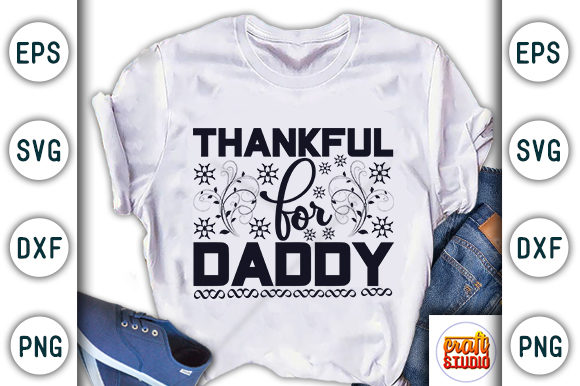
Thankful for Daddy
A Designer’s First Look: Warm, Simple, and Genuinely Heartfelt
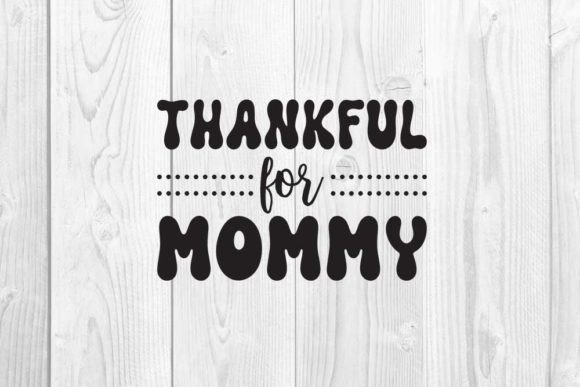
When I opened the Thankful for Daddy embroidery file set, my first thought wasn’t about stitch count or file types — it was about tone. This isn’t a loud, decorative Thanksgiving quote. It’s quiet, sincere, and softly centered — like a handwritten note tucked into a lunchbox. The layout leans clean and approachable: “Thankful for Daddy” in a gentle, slightly rounded sans-serif with subtle spacing that breathes. No ornate flourishes, no crowded borders, no forced seasonal motifs. That restraint is its strength — especially for embroidery.
Where It Lives Best: Real Projects, Real People
Last week, I used Thankful for Daddy to embroider a small-batch run of organic cotton tote bags for a local dad-and-me story hour event. We stitched it on the lower left corner of each bag — 3.2" wide, medium-density fill stitch, black thread on oat-colored canvas. The result? Instant warmth. Parents paused, smiled, pointed. One dad held up his bag and said, “That’s exactly how I feel.” That’s the power of this design: it doesn’t shout holiday — it grounds the moment. It works just as well on a soft knit baby onesie (paired with a tiny heart appliqué), a brushed-cotton apron for a family kitchen, or a linen pillow cover in a cozy nursery.
Why It Fits T-Shirt Designs — Without Trying Too Hard
As a T-Shirt Designs asset, Thankful for Daddy avoids the pitfalls many text-based graphics fall into: overcrowded kerning, fragile serifs, or excessive line weight. Its letterforms hold up at 2.5"–4" widths — ideal for chest logos on crewnecks or sleeves on lightweight tees. Because it’s delivered as a Graphics package (EPS, SVG, PNG, DXF), you can adapt it beyond embroidery: vinyl cut for heat-transfer on performance fabric, laser-cut felt for layered patches, or even scaled for printable mockups when listing on Etsy.
Stitching Reality Check: What Works — and Where to Pause
Let’s be direct: Thankful for Daddy shines on stable, medium-weight fabrics — think fleece-lined sweatshirts, twill tote bags, or midweight tea towels. On those, the satin-stitched letters stay crisp, and the fill areas lie flat without puckering. But here’s where attention matters:
- Small hoop sizes: At under 3", it fits most standard hoops — but test the full design on scrap fabric first. Some versions may include optional decorative elements (like a single leaf or dot accent) that could push width near 3.5". Measure before hooping.
- Textured or stretchy fabric: Avoid using it raw on jersey knits or ribbed cuffs without proper cutaway stabilizer. The letter spacing is generous, but thin threads can shift on stretch — especially across curved surfaces like caps or sleeve hems.
- Dark or dense backgrounds: The design has no built-in drop shadow or outline. On charcoal sweatshirts or navy denim, use a light thread (heather gray, cream, or ecru) — not white — for softer contrast and better readability after washing.
- Frequent-wash items: Baby onesies, kitchen towels, and kids’ backpacks get laundered hard. Confirm your stitch density isn’t too sparse — gaps between running stitches will fray over time. A balanced fill stitch (not overly dense, not too open) holds up best.
What It Adds — and What It Doesn’t Pretend To Be
Thankful for Daddy elevates handmade product value by feeling intentional, not generic. It reads as personal — not mass-produced clip art. That builds customer trust, especially for Etsy sellers and small shop owners offering personalized gifts. When paired with thoughtful execution (good stabilizer, matched thread colors, centered placement), it signals care — which translates directly to perceived professionalism and giftability.
But let’s name what it *isn’t*: it’s not an elaborate applique design with multiple layers or intricate satin borders. It won’t carry the visual weight of a large-scale holiday scene on a quilt. And while it’s versatile, it doesn’t magically solve fabric-specific challenges — like stitching fine detail on velvet or maintaining clarity on fuzzy fleece. Those require your judgment, not the file’s promise.
Practical Notes from the Embroidery Bench
Before committing to a full run, here’s what I do — every time — with a new machine embroidery design like Thankful for Daddy:
- Test on scrap fabric *identical* to your final material — including same stabilizer type and thread brand.
- Check thread color contrast in natural light *and* under indoor lighting. A thread that looks rich in daylight can flatten on screen or in store lighting.
- Review stitch density visually in your embroidery software. If letters appear too tight or too airy, adjust density by ±5% — don’t guess.
- Confirm hoop size compatibility. Even if the design fits, verify your machine’s maximum stitch width and jump distance won’t cause tension issues.
- Inspect small details: are terminals clean? Do curves flow smoothly? Any stray anchor points? Zoom in — it saves re-hooping later.
- Run black-and-white mockups. They expose contrast problems faster than color previews.
- Compare light and dark fabric backgrounds side-by-side. What reads clearly on ivory may vanish on heather gray.
- Use appropriate stabilizer: tear-away for stable wovens, cutaway for knits, and fusible for lightweight linens.
- Double-check licensing. Since the description states these files are for scrapbooking, cut machines, and vinyl, confirm commercial embroidery rights *before* selling finished embroidered items or reselling the digital embroidery file itself.
The Final Stitch
Thankful for Daddy earns its place in my working library because it’s honest — both in message and execution. It doesn’t overpromise. It doesn’t distract. It meets the viewer where they are: in gratitude, in simplicity, in real life. For craft business owners building emotional connection through handmade product, for apparel decorators balancing speed and sincerity, and for makers who believe the right phrase — stitched with care — can turn ordinary fabric into meaningful memory… this one lands.
Just remember: the file is a tool. Your choice of fabric, thread, stabilizer, and placement — that’s where the magic lives. And that’s where Thankful for Daddy truly begins.