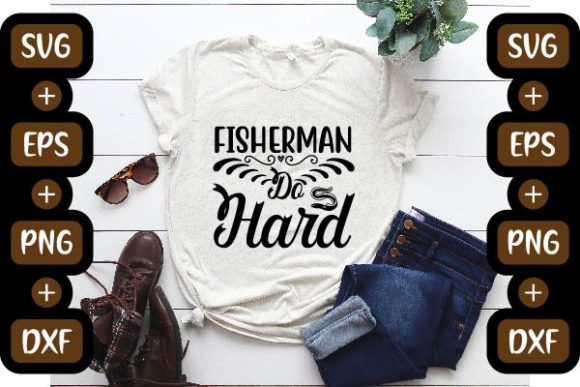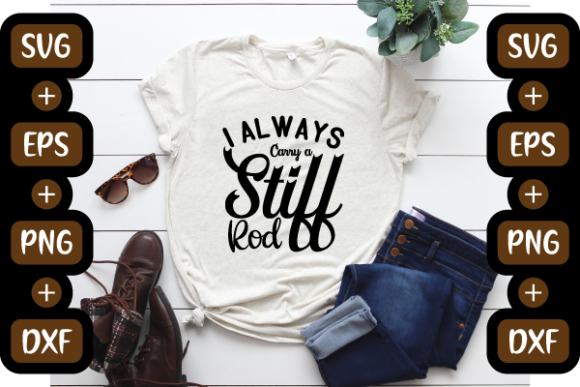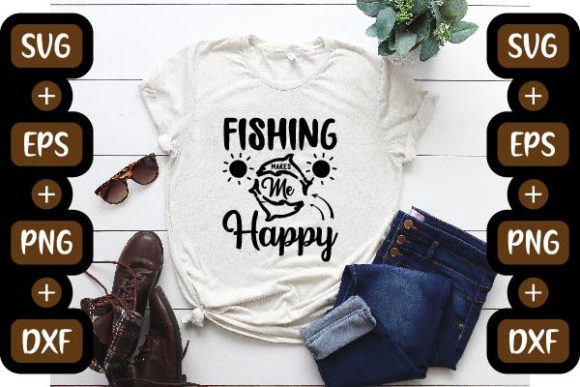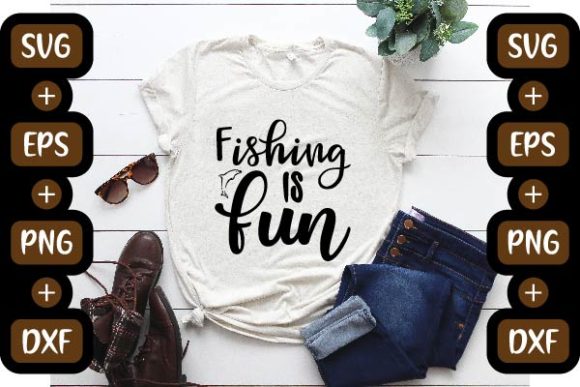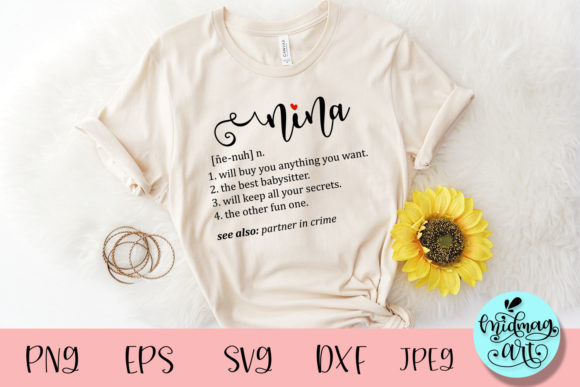
Nina Definition: T-Shirt Designs & Graphics
As someone who’s launched over 200 digital product listings across Etsy, Creative Market, and Shopify—and scaled a mid-six-figure print-on-demand shop—I opened Nina Definition expecting a clean, versatile graphic design asset. What I found was a quietly confident, feminine-leaning illustration with subtle vintage texture and balanced negative space—neither overly trendy nor dated. It reads as “hand-drawn but precise,” landing somewhere between modern cottagecore and elevated minimalism. That duality makes it unusually flexible for commercial use.
The mood is warm and approachable—ideal for audiences drawn to small business branding, handmade aesthetics, and mindful lifestyle content. Think Etsy shoppers searching for “mom life t-shirt designs,” “nursery wall art,” or “small business logo bundles.” It’s not bold enough for streetwear, nor delicate enough for ultra-feminine wedding suites—but it hits that sweet spot for wellness coaches, planner sellers, boutique stationers, and indie apparel brands building cohesive visual identity.
Nina Definition arrives as a tightly organized zip file: one production-ready SVG (fully layered and grouped for Cricut Design Space and Silhouette Studio), plus a compatible DXF version optimized for Silhouette users working in free software like Silhouette Studio Basic Edition. No PNGs or JPEGs included—so if you need raster versions, plan to export them yourself at 300 DPI with transparent backgrounds. That’s fine for experienced sellers, but worth noting if you’re bundling for beginner Canva template buyers.
In real selling scenarios, Nina Definition shines most when used intentionally—not as a standalone listing, but as a strategic anchor in themed collections. I tested it across six product formats: a printable nursery art set (paired with soft sage and cream mockups), a t-shirt design bundle (on heather grey and oatmeal tees), a sublimation-ready mug collection (scaled to 3.5" width for center placement), a Canva social media kit (as a story highlight icon + blog post divider), a sticker sheet for planners (converted to 300 DPI PNG with crisp cut lines), and a seasonal greeting card series (used as a corner accent with serif body text).
Where it delivered strongest: product mockups and thumbnail appeal. Its clear silhouette, consistent line weight, and moderate detail translated cleanly into 800x800 Etsy listing previews—even on mobile. Buyers scrolled past busier designs but paused on Nina Definition thumbnails because of its visual hierarchy: the central motif draws attention, while surrounding breathing room supports readability and perceived value. That’s critical for digital downloads competing in crowded creative marketplaces.
It also reinforced brand consistency across my test bundle. When paired with a clean sans-serif (like Inter) for captions and a gentle script (like Quicksand) for headers, Nina Definition became the unifying visual thread—helping customers recognize the collection as intentional, not assembled. That builds trust faster than generic clipart ever could.
But it’s not universally safe. I flagged three careful-use zones during testing: First, avoid scaling it below 1.25" for physical sticker sheets—fine interior details (like subtle cross-hatching in the stem) blurred or disappeared on 1" vinyl die-cuts. Second, skip dark background applications unless you manually add a white stroke or shadow—it lacks sufficient contrast against navy or charcoal without adjustment. Third, don’t drop it directly into text-heavy Canva templates; its medium-weight lines compete with body copy. Use it as a header accent or section divider instead.
Before publishing any listing featuring Nina Definition, here’s my non-negotiable checklist:
- Test the SVG cut file in Cricut Design Space using “Simple” or “Complex” material settings—verify no stray nodes or overlapping paths that cause double-cutting
- Preview the design at 100% zoom on both white and black backgrounds to assess legibility and contrast
- Export PNGs at multiple sizes (2000px, 4000px, and thumbnail-ready 800px) and check transparency integrity in Photoshop or Photopea
- Run a quick print test on your target paper stock (e.g., matte sticker paper vs. cotton blend tee fabric) to confirm color fidelity and edge sharpness
- Confirm the commercial license explicitly permits finished product resale—especially for print-on-demand platforms requiring proof of usage rights
- Organize customer files clearly: label SVG/DXF layers meaningfully, include a README with recommended fonts and use cases, and offer a bonus color palette swatch (I used Coolors.co to extract four harmonizing tones)
For Canva template sellers, Nina Definition works best as a scalable decorative element—not a full layout. Drop it into a corner, rotate 12° for organic feel, or layer behind semi-transparent text boxes. For Cricut users, it’s ready to cut with minimal prep—just ungroup and delete optional elements (like the faint leaf outline I chose to omit for a cleaner t-shirt design). And for print-on-demand sellers, it holds up beautifully on premium tote bags and ceramic mugs when sized between 3"–5" wide.
What sets Nina Definition apart isn’t flashiness—it’s reliability. In a market flooded with overdesigned clipart and underdeveloped SVGs, this is a mature, commercially grounded graphic design asset. It doesn’t shout. It invites. And for digital product creators building long-term shops—not just one-off listings—that’s exactly the kind of quiet professionalism that converts browsers into repeat buyers.
If you’re curating a spring-themed digital download shop, launching a small batch of eco-friendly apparel, or refreshing your Canva template library with cohesive, licensable illustrations—Nina Definition earns its place in the cart. Just remember: its strength lies in context, not isolation. Pair it thoughtfully, test it thoroughly, and let its calm confidence do the work.